Keep client work moving
AppliedAgents helps consulting and professional services businesses connect the work between an enquiry, a proposal and delivery. We build automations, AI assistants and custom software around your existing tools, starting where your team is losing time.
Where does work stall in your firm?
A partner approves a proposal, but someone still has to update the CRM. A client signs, but the project team is waiting for a complete brief. A consultant copies the same information into an email, a document and a task board. If that sounds familiar, it is worth looking at the handover before buying another tool.
We start by understanding the steps, the people involved and what a better outcome would look like. That might mean less repeated entry, a clearer handover or more time available for client work. The right starting point depends on your process and the constraints of your software.
What can we help you scope and build?
| Where time goes | Possible implementation | What your team controls |
|---|---|---|
| Turning discovery notes into a proposal | Prepare a draft using the agreed brief and approved service information | Scope, fees, commitments and the decision to send |
| Setting up an accepted engagement | Connect the engagement record to project tasks, intake and a delivery brief | Acceptance, access and kickoff readiness |
| Moving updates between tools | Connect supported CRM and project records with visible exception handling | Which record is authoritative and who resolves conflicting details |
| Finding information across documents | Build an assistant that retrieves permitted material and shows its sources | Access, accuracy checks and permission to reuse client information |
We check what your tools can support before agreeing on a project. For a detailed planning example, read our AI implementation guide for consulting firms or the client onboarding automation guide.
Can we keep our existing software?
That is the starting point. We check the features and supported integrations in your current setup before proposing new software. A template, an approval step or a reliable task trigger may be enough. A custom connection becomes useful when an important handover falls between tools or their existing features cannot cover the process.
Before quoting, we check which connections your software supports, who needs access and whether the records are ready to use. AI can help interpret notes or prepare a draft; predictable steps can use ordinary rules. A custom CRM or wider business system is an option when the business need justifies it.
What would a first project involve?
- Understand one bottleneckWalk through the current task, its volume, owners, tools and common exceptions. Agree the outcome worth testing.
- Agree the scope and quoteAgree what we will build, what your team will still do, how we will test it and what it will cost to run.
- Build and test the workflowCheck ordinary work alongside missing information, conflicting records, duplicate events and unavailable tools.
- Launch and hand overShow the team how to use and pause the system, agree support and compare the result with the original process.
A useful pilot measures the whole task, including review and corrections. Saving drafting time does little if it creates more checking work. The consulting automation pilot worksheet helps you record the starting point and the result.
See what that means in practice: our sample delivery handover follows an accepted engagement through a normal setup, a scope question and a failed connection. Each case shows what the person taking over would need to know.
See an example of our work
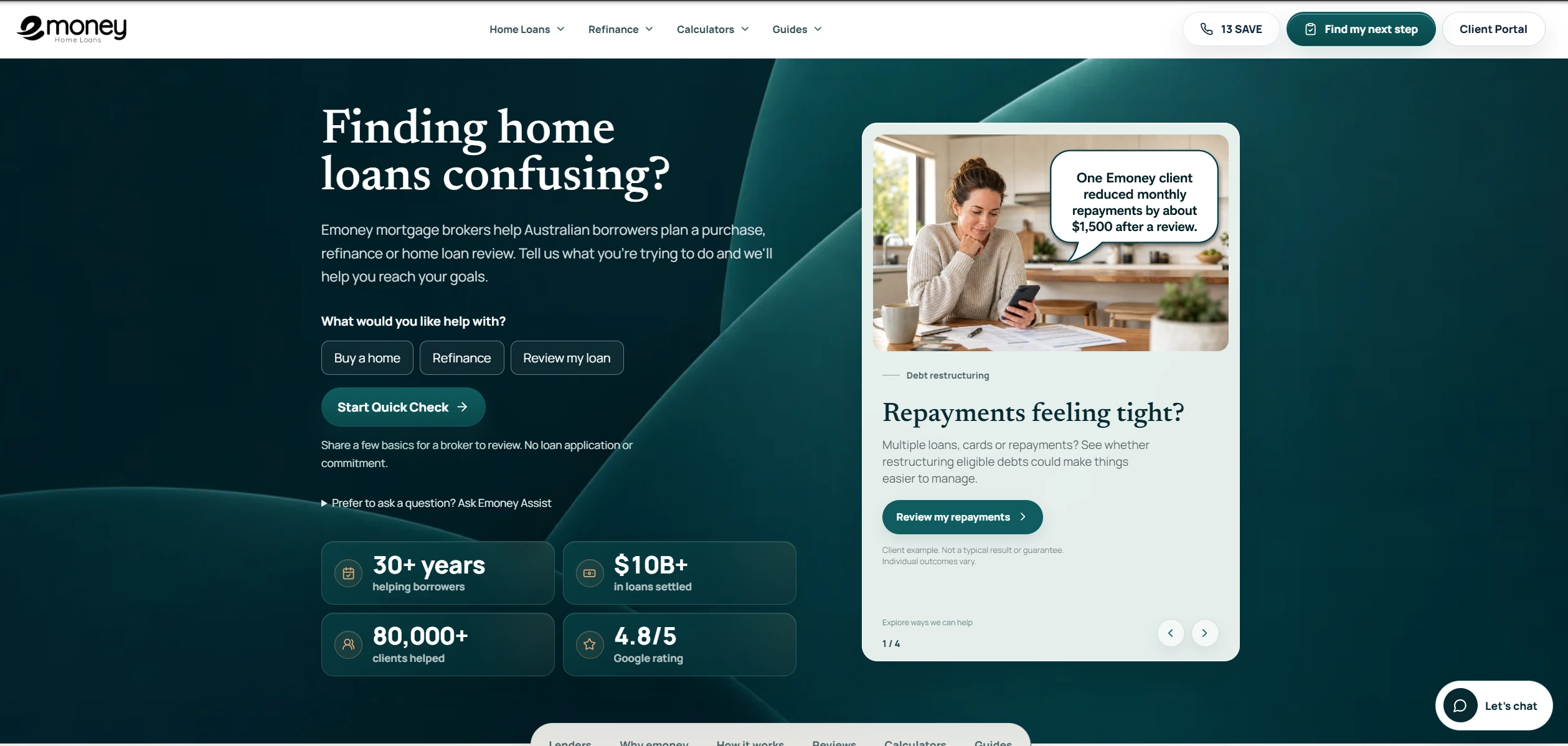
For Emoney Home Loans, AppliedAgents rebuilt the website and added an AI assistant that collects enquiry context for a broker handover. The Emoney project story shows that delivered website and enquiry workflow. For consulting, the examples above show the kinds of workflows we can explore with your firm.
Bring us a few examples from your own process. We can talk through how a proposed system would handle them and what still needs checking. Our implementation partner comparison guide gives you questions to use with any supplier.
Before you book a conversation
How much does implementation cost?
We quote after understanding the workflow, connections and testing required. Your proposal should separate the initial build from software costs, support and later changes. The AI implementation cost guide explains how to compare those costs; its worked figures are illustrative, not our prices.
What about confidential client material?
Start the discussion with a description of the process and fictional or de-identified examples. Before a build, agree which systems may receive information, who can access it and how it will be retained. We need to understand your client commitments before deciding which tools and information belong in the workflow.
What should we bring?
One task that keeps coming back, the tools involved and a rough idea of how often it happens. You do not need to choose the technology first. Share a short brief and book a free strategy call to discuss a practical starting point.